
Streator sits on the Vermilion River at the southern edge of LaSalle County, where IL Route 23, IL Route 18, and IL Route 17 all converge. Founded in 1868 on coal mining, the city grew into a major glass container manufacturing hub — at one point nicknamed the “Glass Container Capital of the World” — and that industrial history still shapes the older neighborhoods surrounding downtown.
Streator projects may involve drainage improvements, excavation, or demolition depending on the property.
Salz Drainage and Excavating brings its full range of drainage, excavation, land clearing, and site work services to Streator and the surrounding Vermilion River valley farmland.
Yard and foundation drainage in Streator’s older neighborhoods, many built during the city’s coal and glass boom, often needs updating where original grading has settled over a century, and Salz routes each system to the property’s actual low point.
Services include: French Drain Installation, Drain Tile Systems, Basement & Foundation Drainage, Yard & Lot Drainage
Basement and foundation excavation in Streator accounts for the Vermilion River’s documented flood history — including the 1951 flood that pushed the river to 18 feet — on any lot close to the river.
Services include: Basement & Foundation Excavation, Trench Excavation
Brush and site clearing on the farmland surrounding Streator, along the IL-18 and IL-23 corridors, is handled with forestry mulching equipment that clears a site without the cost of a full clear-cut.
Services include: Forestry Mulching, Brush & Underbrush Clearing, Lot & Site Clearing, Pasture & Farm Land Clearing
Residential and commercial demolition throughout Streator, including older structures tied to the city’s coal and glass-manufacturing era, is handled with full haul-off included.
Services include: Residential Demolition, Commercial & Structural Demolition, Concrete Removal & Demolition, Pool Removal & Fill-In
Farm and stock pond construction is available on the row-crop farmland surrounding Streator, sized to whatever the property calls for.
Services include: Farm & Stock Pond Construction, Pond Excavation & Dredging, Pond Dams & Spillways
Building pads and pole barn sites on the outskirts of Streator get graded and leveled to work with the same flat farmland drainage patterns found throughout the surrounding countryside.
Services include: Land Grading & Leveling, Building Pad & Concrete Prep, Pole Barn & Shed Site Prep
Field tile installation and repair on the farmland ringing Streator keeps this ground productive — a direct continuation of the same drainage-tile tradition that was once manufactured locally in the city itself.
Services include: Field Tile Installation, Farm Tile Repair & Maintenance
Utility trenching for a well, septic line, or electrical run near Streator is handled with the same equipment used throughout the rest of the Vermilion River valley.
Services include: Electrical & Conduit Trenching, Water & Sewer Line Trenching
There’s an interesting echo in Streator’s own history for a company like Salz Drainage and Excavating: alongside coal and glass, Streator’s early industry included brick and drainage tile manufacturing, drawn from the same local clay and shale deposits that shaped the region’s soil. Today, the farmland surrounding Streator still depends on buried field tile, while the city itself — LaSalle County’s largest population center after the LaSalle-Peru area — needs the same excavation, demolition, and drainage work as any established Illinois city.
Salz Drainage and Excavating serves Streator and the surrounding Vermilion River valley, working both the in-town excavation and demolition jobs that come with an older industrial city and the field tile work that defines the farmland just outside it.
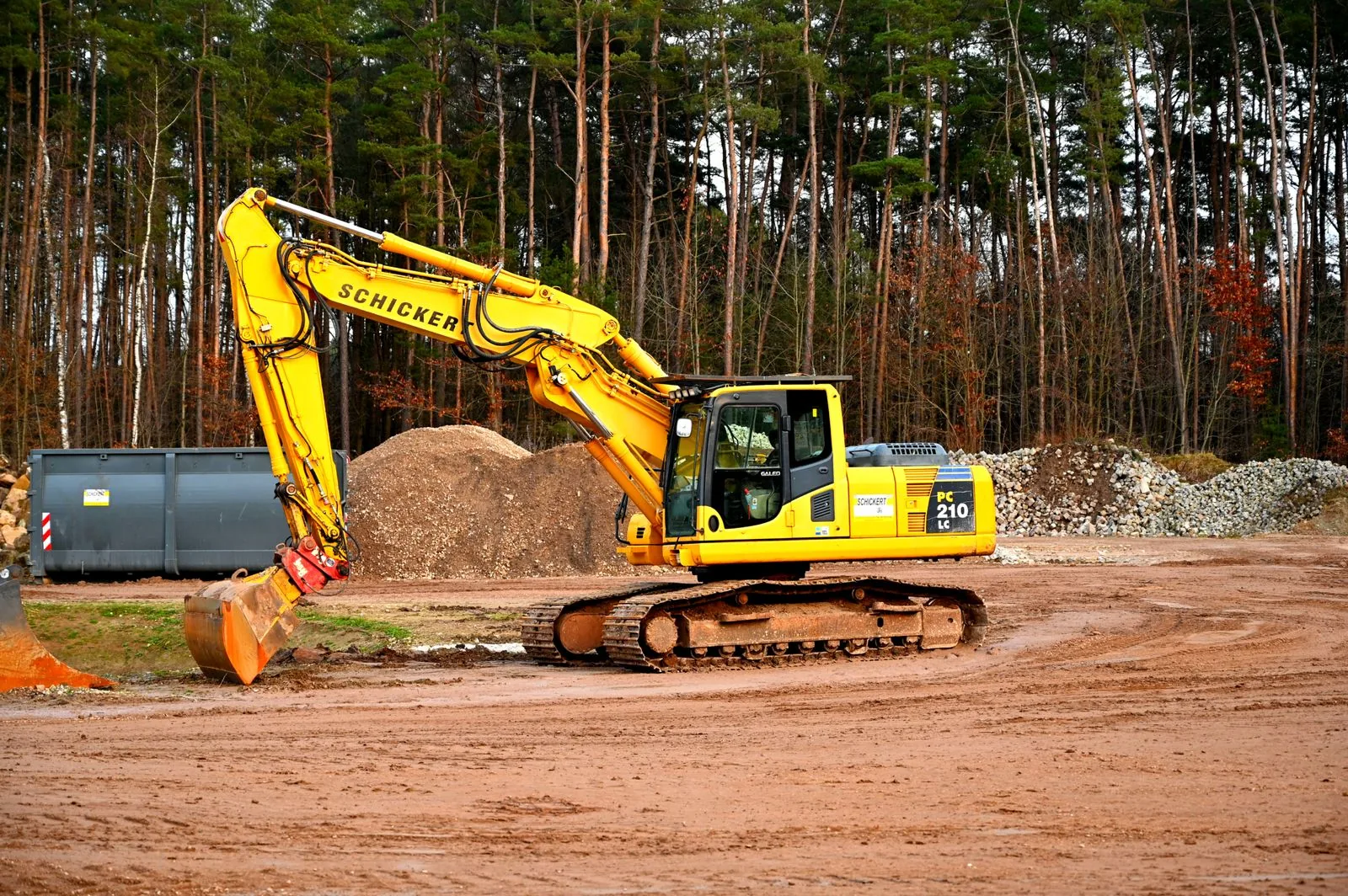
Adam walks the property in person and gives an honest, upfront estimate — no surprise yardage overages or change-order surprises once work begins.
Because drainage, excavation, and land clearing work in Central Illinois is seasonal, jobs are planned around field conditions, weather, and — for agricultural clients — the growing season.
Excavators, dozers, scrapers, and the forestry mulcher are brought on-site. The crew owns its own equipment, so there's no waiting on rentals or subcontractors to get started.
Adam is hands-on through every job, overseeing the work himself from grading and digging to clearing and demolition.
The site is cleaned up and Adam walks the property with the client to confirm the work meets expectations before calling the job done.
The Vermilion River’s documented flood history in Streator — including an 18-foot flood stage in 1951, the worst in the city’s recorded history — makes floodplain awareness a real factor in any excavation or foundation work close to the river.
IL Route 23, IL Route 18, and IL Route 17 all converge on Streator, and IL-18 links the city directly north to Lostant, another part of Salz’s regular service area, keeping travel time short across this stretch of the Vermilion and Illinois valleys.
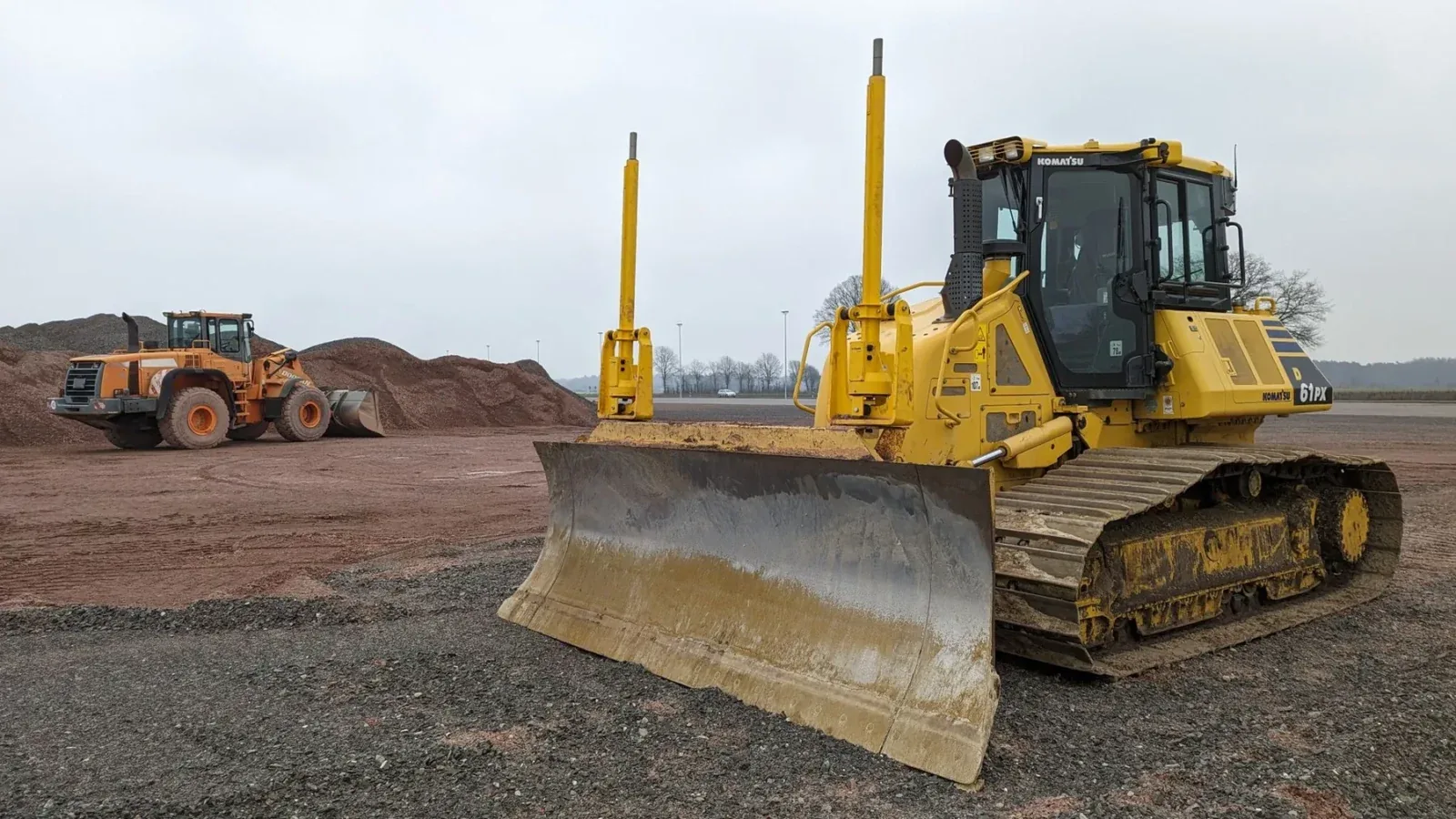
Streator’s own early industry included brick and drainage tile manufacturing from local clay and shale — a genuine historical parallel to the agricultural drainage work that Salz Drainage and Excavating still performs on the farmland surrounding the city today.
Project types split clearly by location: Streator’s older, denser neighborhoods near downtown call for demolition and foundation work sensitive to a century of settled grading, while the farmland just outside the city follows the same tile-drainage patterns found throughout the rest of Salz’s Illinois Valley service area.
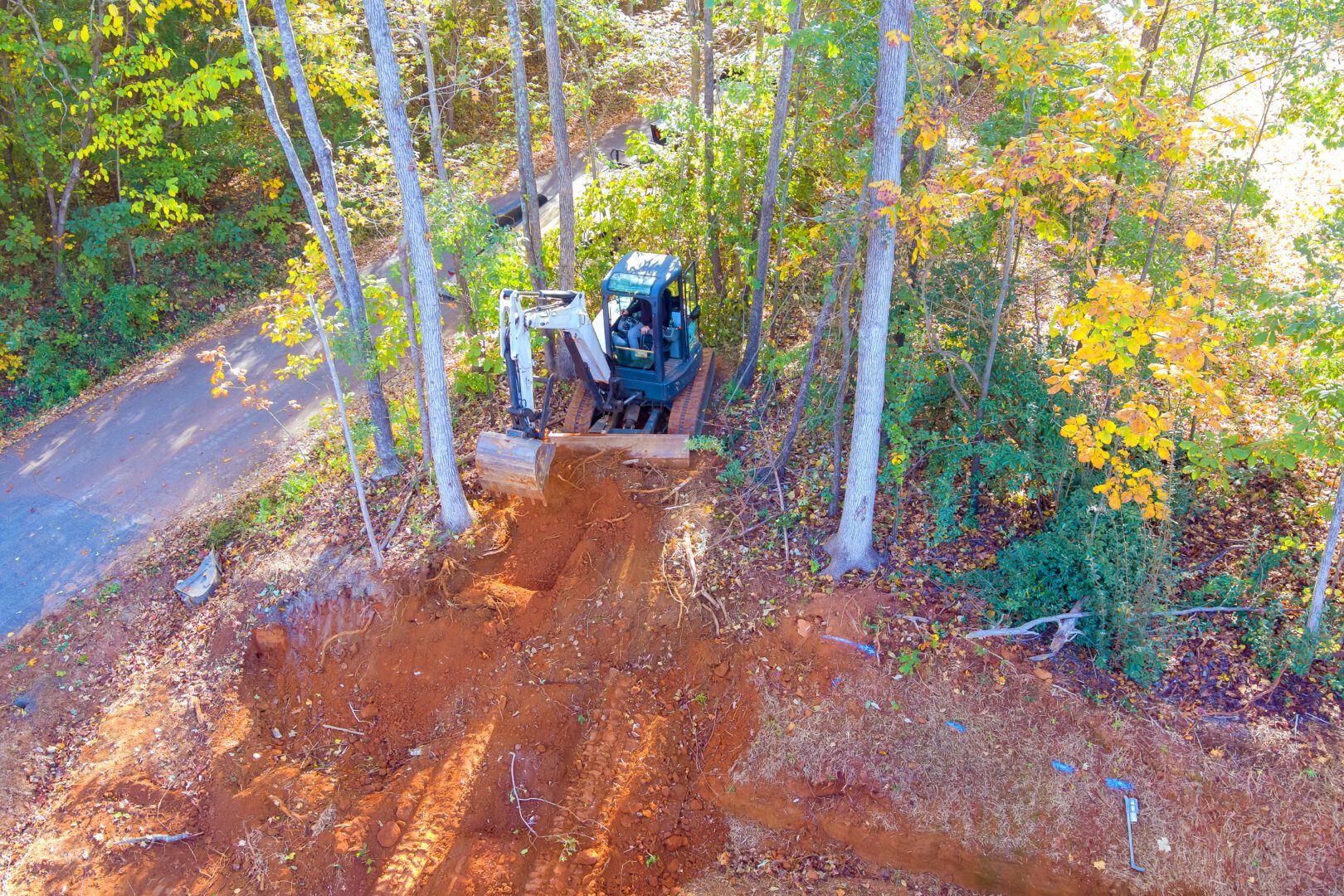
Salz runs excavators, dozers, scrapers, trucks, a drain tile plow, a trencher and a skid steer with a forestry mulcher and Harley rake, backed by GPS grading capabilities. That range supports moving dirt, shaping ground, opening sites and processing vegetation, but no specific machine is promised for a Streator project before access, material and scope are considered.
For a Streator project, tell us about gates, overhead restrictions, soft areas, nearby structures, features to preserve and the intended finish. If plans, tile maps, utility specifications or building requirements exist, have them ready. Better information makes a more useful estimate.
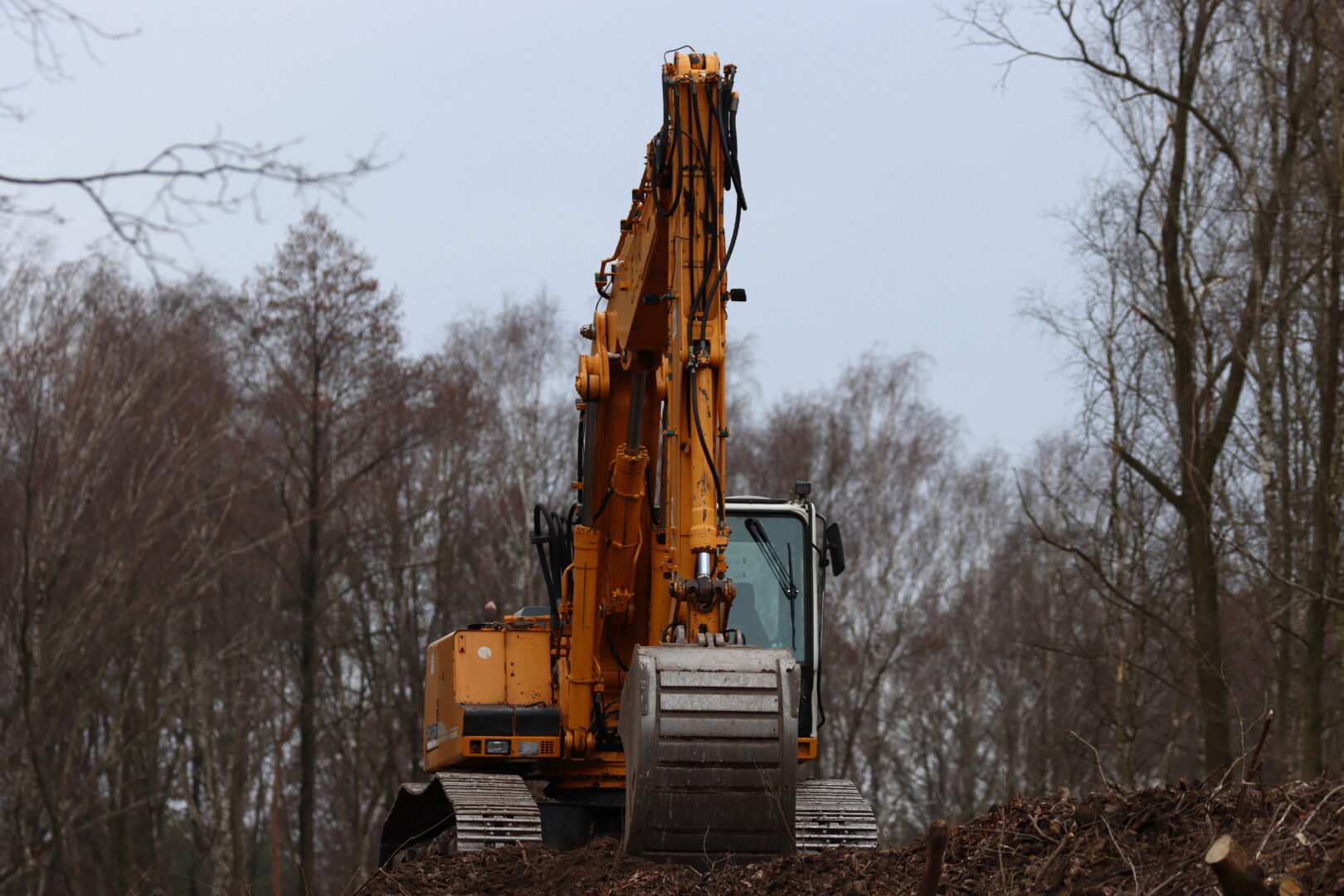
Salz Drainage and Excavating serves Streator and the surrounding Vermilion River valley, from the city’s older neighborhoods to the row-crop farmland along IL-18, IL-23, and IL-17.
Nearby communities include Ottawa, Lostant, Tonica, Kangley and Long Point.
Hours are Monday through Saturday, 8:00 AM to 6:00 PM. Call (815) 426-9191 or use the contact form to describe your project and request a free estimate.
Free estimates come with a realistic scope, not a number built to win the bid and get changed later.
Adam Salz personally runs every job in Streator, from the estimate through the final walkthrough.
Excavators, dozers, scrapers, trucks, a drain tile plow, a trencher, and a skid steer with a forestry mulcher and Harley rake handle both in-town demolition work and farmland outside Streator.
The Vermilion River’s documented flood stages, including the 1951 flood, factor into how Salz plans excavation and foundation work near the river.
Excavation near the river factors in Streator’s documented flood history, including an 18-foot flood stage in 1951, which affects how footings and drainage are planned on lower-lying lots. Salz provides a free on-site estimate that accounts for the property’s specific location.
Yes. Field tile installation and repair is available on the farmland surrounding Streator, continuing a drainage tradition that goes back to the city’s own early tile-manufacturing history.
Yes, Streator is part of Salz Drainage and Excavating’s regular service area, connected to the rest of the territory via IL-18 through Lostant.
Yes, residential and commercial demolition, including older structures tied to Streator’s coal and glass-manufacturing history, is available with full haul-off included.
Yes, brush and site clearing is available throughout the farmland surrounding Streator along all three of its main routes — IL-18, IL-23, and IL-17.
Yes, every estimate is free, whether the job is in-town demolition, drainage work near the river, or farm tile repair on the surrounding ground.