
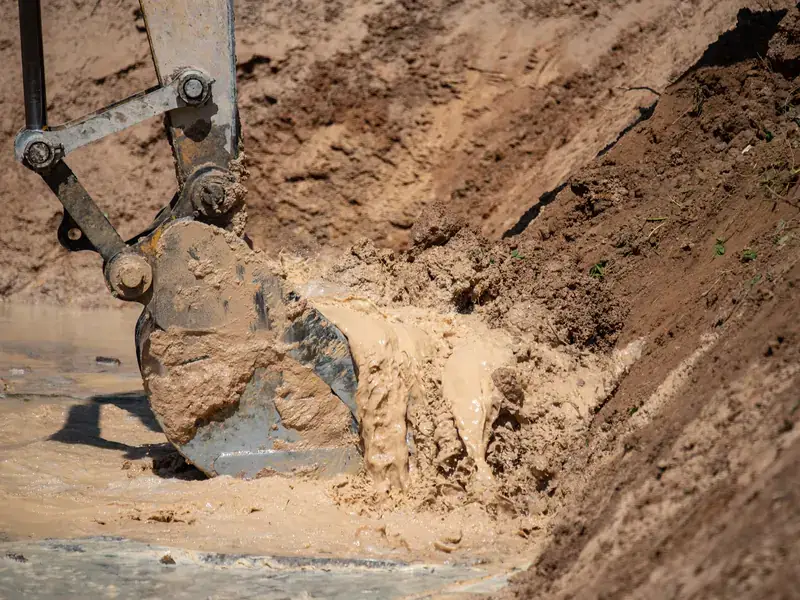
Clear ground. Move dirt. Make room.
Excavation for Foundations, Trenches and Difficult Ground
Excavation sets the physical starting point for many property projects. Salz Drainage and Excavating handles foundation and trench excavation with a practical focus on access, material, grades and the work that follows.
Request a Free Estimate
Call (815) 426-9191
Excavation Starts Before the First Bucket
Good excavation planning begins with the intended dimensions, finished use, access and what happens to the material that comes out. A basement cut is different from a utility trench, and rock changes the conversation again. Before equipment is selected, the scope needs to answer basic questions: what area is being opened, how deep or broad is the planned work, what information is available, and where can machines and material safely move? Salz approaches excavation as controlled earthmoving, not simply digging until a hole appears.
Available Excavation Work
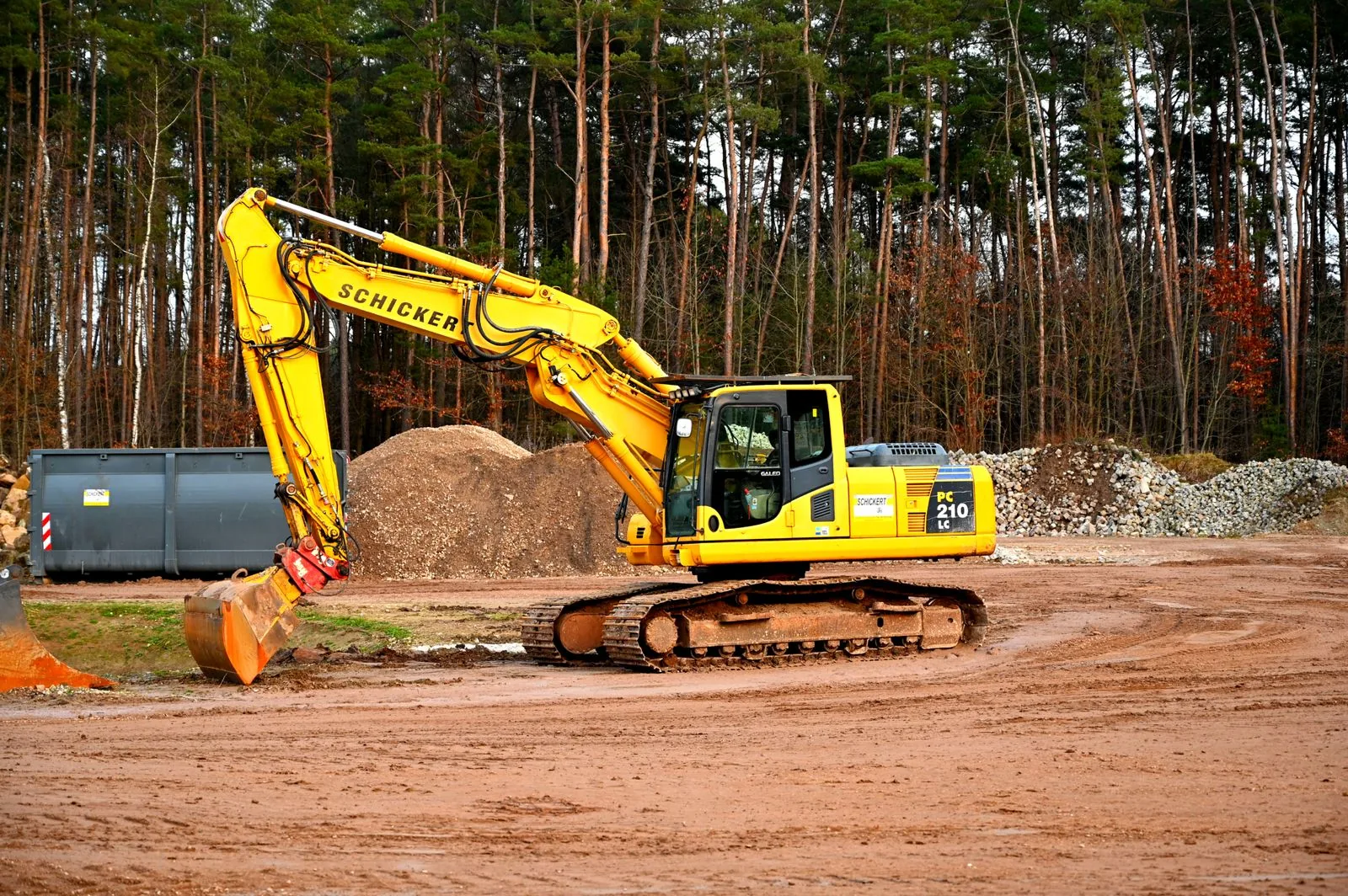
Excavation services include basement and foundation excavation and trench excavation. The exact combination depends on the property and requested result. Each item is discussed as a scope, not a promise that every method fits every site.
Basement and foundation excavation
Trench excavation
Basement and Foundation Excavation
Foundation excavation creates the space where later construction depends on the ground being prepared to the agreed scope. Plans, site layout, elevations and coordination with the people responsible for the structure are important inputs. Salz offers basement and foundation excavation for residential, private and commercial work. We focus the estimate on the excavation and related earthwork requested. Building design, final structural decisions and any work outside the agreed scope remain separate matters that should be identified before mobilization.
Trench Excavation
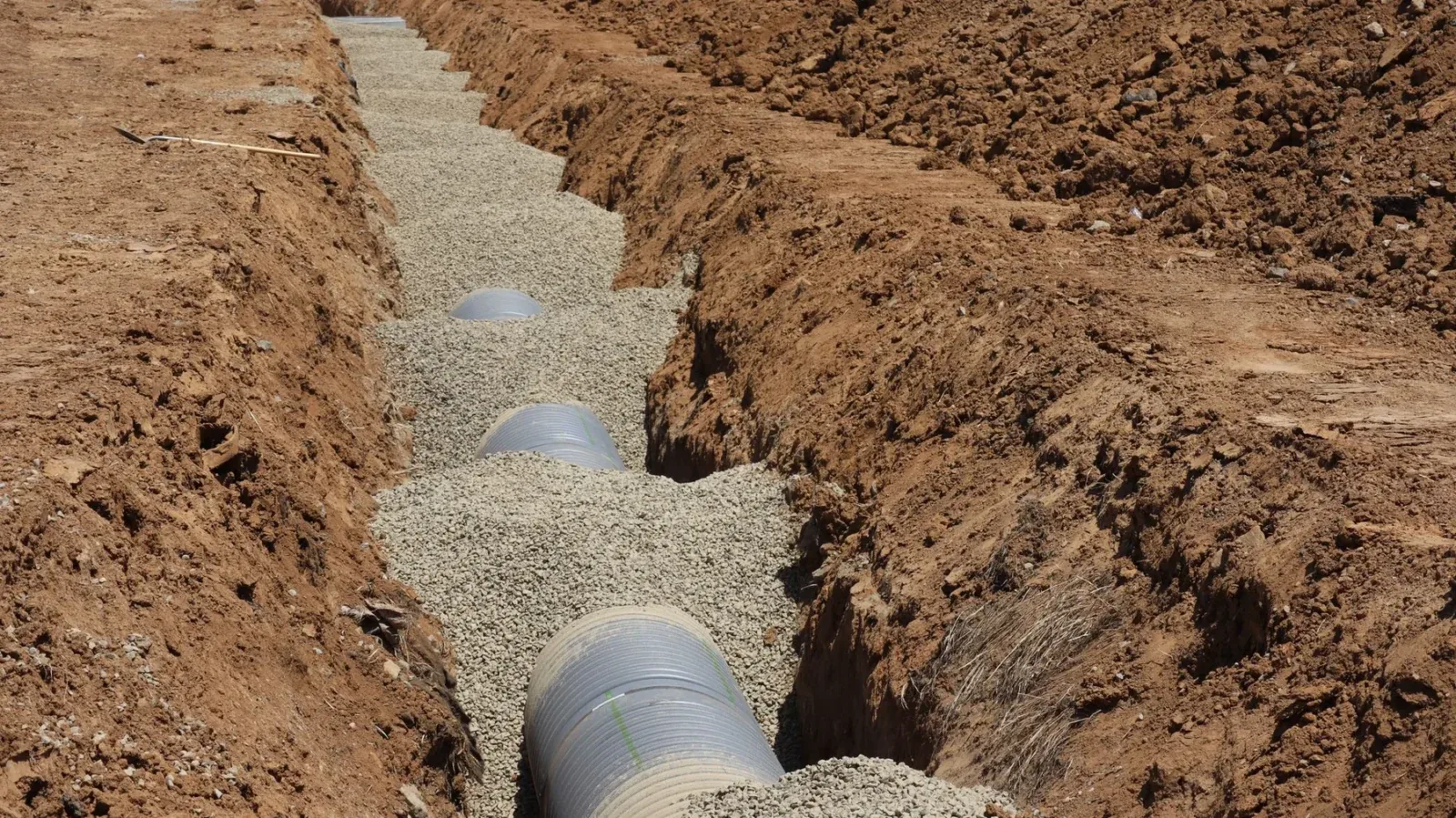
Trenches may support drainage, conduit, water or sewer line projects, but the trench is only one part of the whole system. The route, required dimensions, material, access, existing features and responsibility for pipe, conduit, connections, inspection or other trade work should be made clear. Salz keeps utility language conservative and does not imply city utility licensing or work outside the company’s legal scope. If you need a trench, explain the line’s purpose and who is coordinating the remaining work so the excavation can be scoped honestly.
Material Handling, Access and Grades
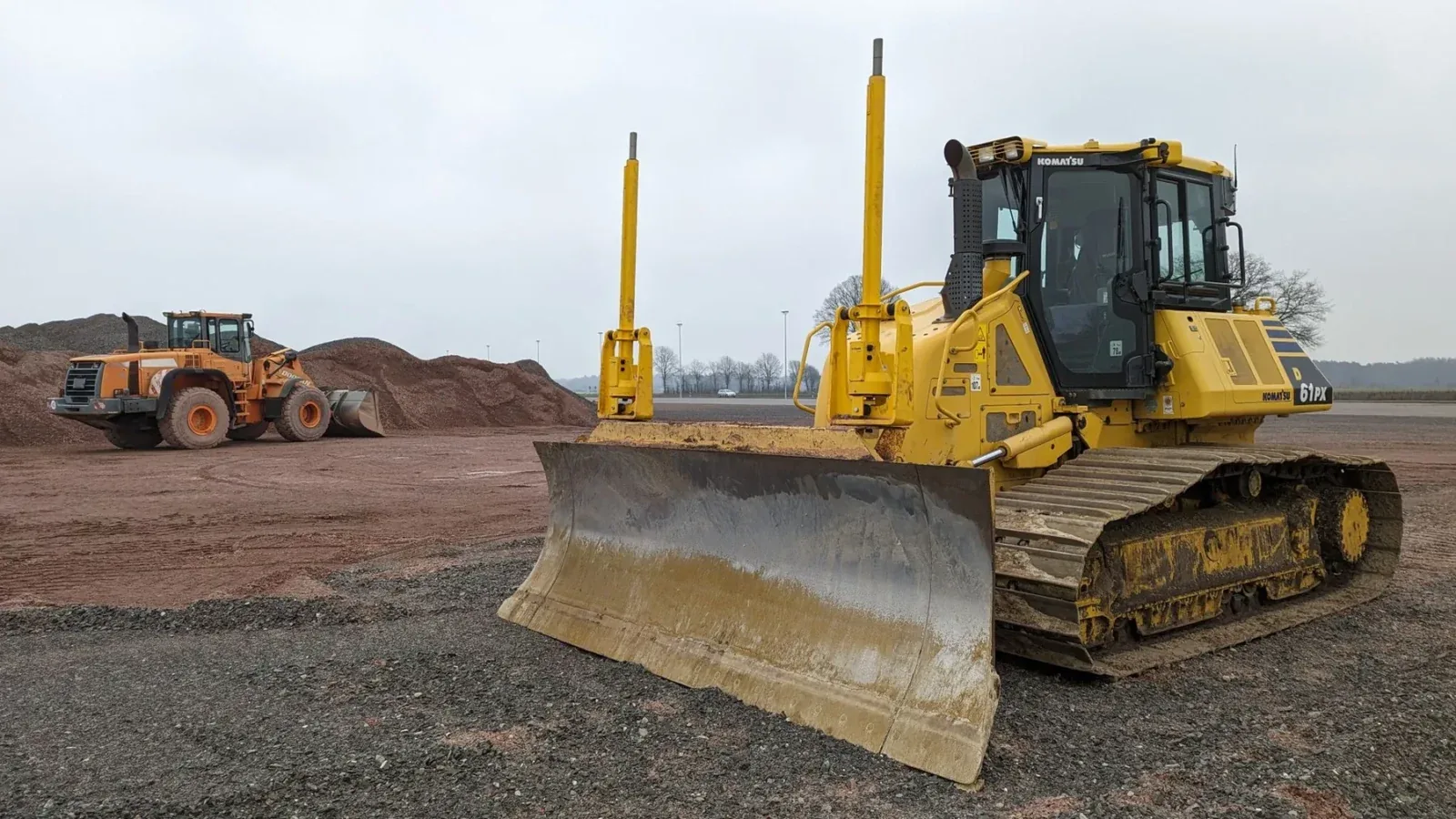
Excavated soil and rock must go somewhere. Depending on the agreed scope, material may be retained, moved within the property or handled another way, but the plan should be explicit. Access also needs enough room for the relevant equipment and for turning, loading or stockpiling as required. Existing grades and the desired finished condition guide the work. Salz has reported equipment capability that includes excavators, dozers and scrapers; actual equipment selection remains project-specific.
Coordinate the Next Step
Excavation often serves work performed afterward. A foundation contractor, utility trade, property owner or other party may depend on the opening being ready for a defined next step. Share plans and responsibilities before scheduling, and avoid assuming that “excavation” automatically includes every related service. Salz can also discuss site preparation, drainage, clearing or demolition when those needs are part of the same property goal. A free estimate provides a place to define the boundaries clearly.
Excavation often supports site preparation, drainage improvements, or utility trenching, depending on what follows.
What to Have Ready for a Foundation Cut
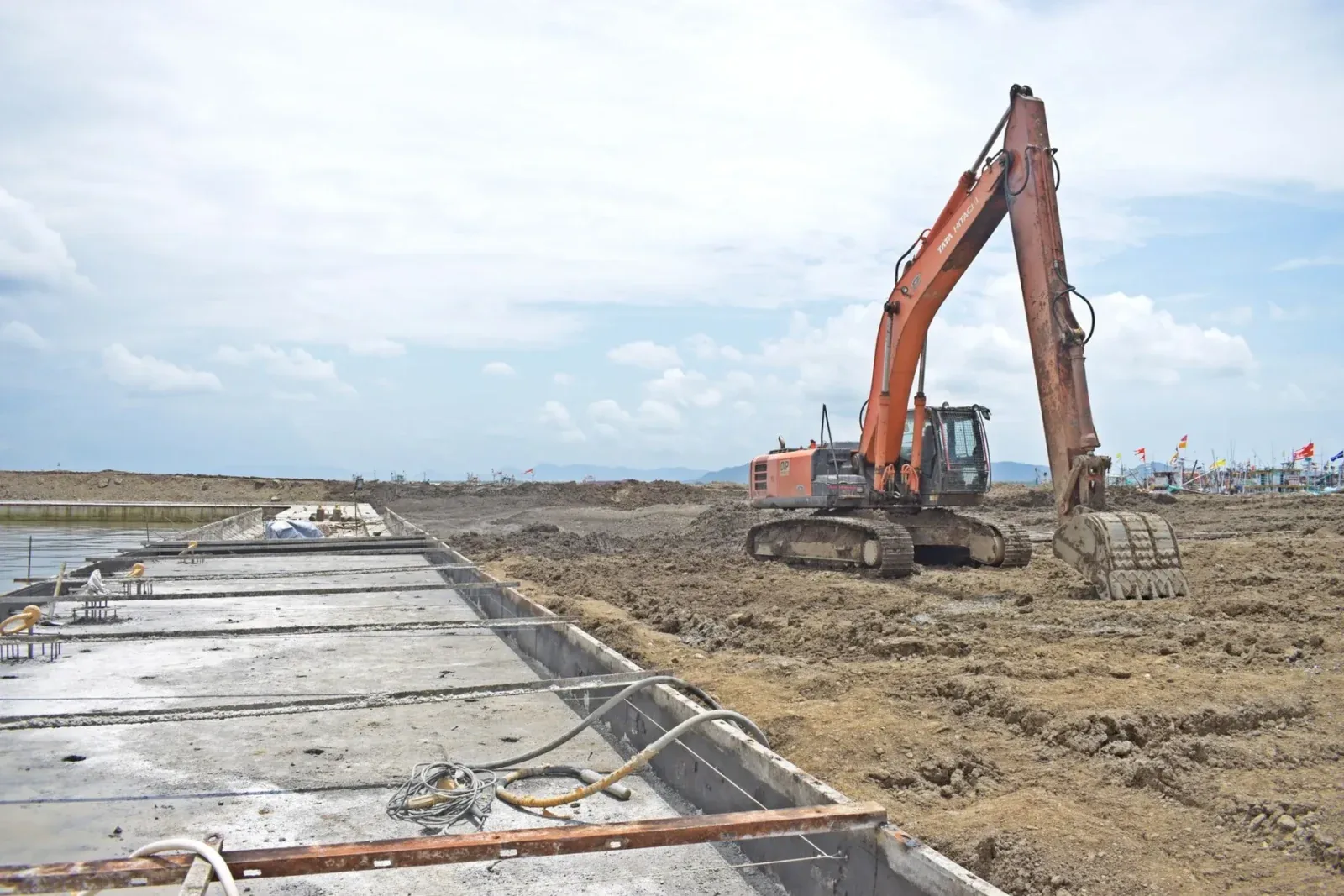
For foundation work, provide the current plans and the layout information used by the people responsible for construction. Confirm who establishes lines and elevations, who needs to approve the excavation, and whether the next crew has access requirements of its own. If the project is still conceptual, say so. Salz can discuss earthmoving, but a preliminary idea should not be presented as a construction-ready excavation plan.
What Changes an Excavation Scope
Depth, reach, access, material and water can all change how excavation proceeds. Nearby structures or areas that must remain usable may limit machine movement. Stockpiling may consume more space than expected. A narrow opening can still require room outside the cut for safe, practical work. Point out these constraints before the estimate so the proposal can describe what is included and avoid relying on assumptions about an open, unobstructed site.
Ask the contractor responsible for the next phase what information it needs from the excavation. Sharing that answer before the estimate helps define the handoff, limits and finish without assigning Salz responsibilities that belong elsewhere.
All Services
Site Preparation
Trenching & Utilities
Contact Salz
Magnolia Area Information
Free estimates
Talk through the work and get a practical next step.