
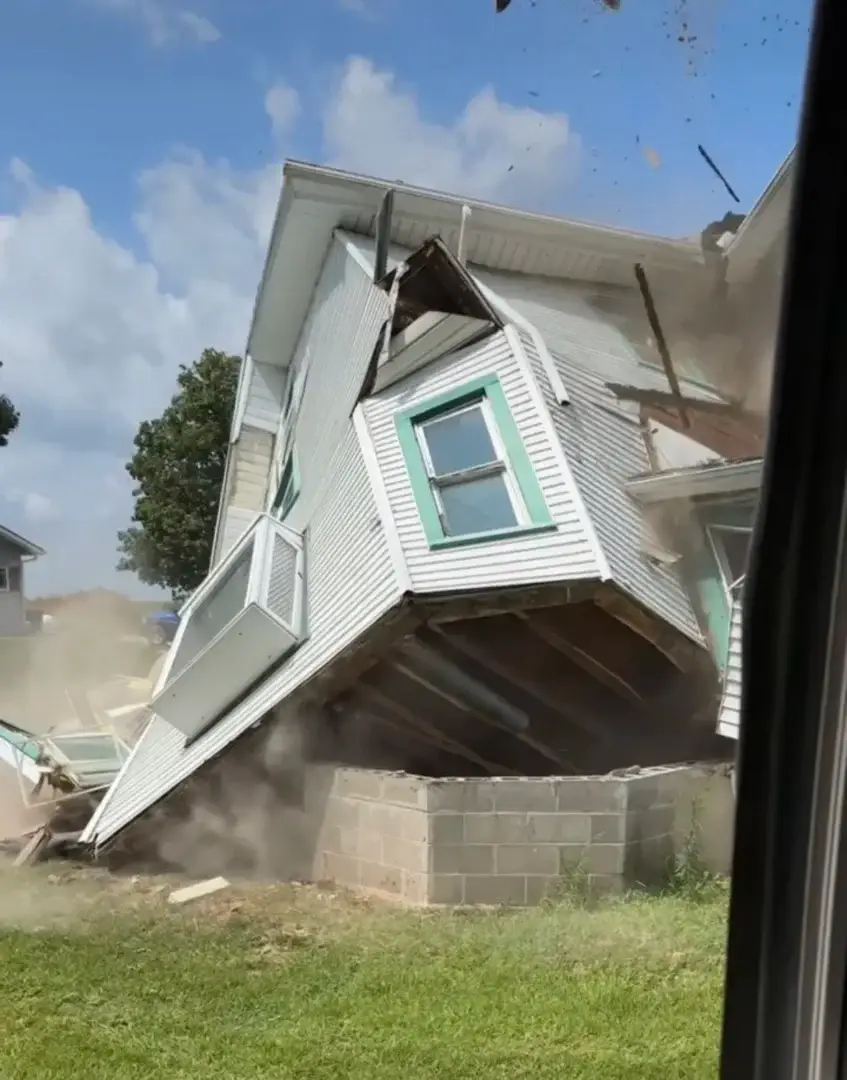
Plan the Removal Around What Comes Next
A demolition project should begin with the structure or material being removed, the features that must remain and the next intended use of the area. A small residential removal, a commercial structure, a concrete slab and an in-ground pool involve different access, debris and backfill questions. Salz starts with a defined scope instead of assuming “demolition” includes every related task. Tell us what is present, what you know about it, how equipment can reach it and whether the site will be rebuilt, graded or simply stabilized afterward.
Describe the structure or material to be removed, the access around it, and what you want the area to look like afterward.
Available Demolition Work
Demolition services include residential demolition, commercial and structural demolition, concrete removal, and pool removal and fill-in. The exact combination depends on the property and requested result. Each item is discussed as a scope, not a promise that every method fits every site.
- Residential demolition
- Commercial and structural demolition
- Concrete removal
- Pool removal and fill-in
Residential Demolition
Residential demolition may involve a house or another private-property structure. Planning should identify nearby buildings, drives, trees, overhead or buried features, and any items the owner expects to preserve. Utility disconnection, permits, surveys, hazardous-material requirements and other responsibilities must be clarified with the appropriate parties before work. Salz handles the physical demolition and site work, not permitting or regulatory approvals. The estimate focuses on the demolition and site work Salz can legally and practically perform.
Commercial and Structural Demolition
Commercial and structural demolition requires the same clear boundaries at a potentially larger or more coordinated scale. The owner, contractor and other responsible parties should establish access, limits of removal, utility status, material handling and the intended turnover condition. Salz considers commercial work in addition to its primarily residential and private-property mix. Project details determine fit; no structure count, production promise or universal capability claim is made without review.
Concrete Removal
Concrete can stand in the way of grading, rebuilding or changing how an area is used. Removal may involve slabs, flatwork or other concrete within an agreed project scope. Thickness, reinforcement, access and what lies beside or beneath the concrete can affect the work. Explain what needs to be removed and what should happen to the area afterward. If excavation or site preparation will follow, those steps can be discussed while still being itemized clearly.
Pool Removal and Fill-In
An unused pool occupies space below grade as well as at the surface. Pool removal and fill-in planning should define what portions are removed, how material is handled, what fill approach is proposed and what finish the owner expects. Access for equipment and the future use of the area are central questions. Salz offers this service but avoids promising a structural outcome or future building suitability without the plans, requirements and responsible professionals needed for that decision.
Debris, Backfill and Site Finish
Taking material down is only the middle of demolition. Debris handling, any imported or retained fill, compaction expectations, grading and final surface condition should be stated in the scope. Requirements can vary by property and project. Salz also offers excavation and site preparation, which may support the transition after removal. A free estimate is the point to separate included work from owner or third-party responsibilities and keep the project grounded in what is known.
After removal, site preparation or excavation may be part of the next defined scope.
Information to Gather Before the Estimate
Describe the structure or concrete as completely as you can, including its current use, approximate footprint, nearby features and access. Explain what utilities served it and whether any disconnection or other required process has begun. If records, surveys or project plans exist, make them available to the appropriate parties. Unknown building materials should be treated as unknown until they are properly identified and addressed.
Keep Salvage and Preservation Expectations Clear
If items are to be removed intact, retained, separated or protected, list them before demolition. Machine demolition and careful salvage are different expectations. Likewise, a nearby drive, tree, fence or building that must remain should be identified during planning. The scope should state the limits of removal and avoid implying that unlisted items will be sorted, stored or preserved automatically.
A demolition estimate should also identify who controls the property and who can answer questions when field conditions differ from the information provided. Photos from several sides can help show access, attached materials and nearby features before the visit, although they do not replace onsite review.